
Bridging sustainability and profit: Introducing the TLI Agroecology Toolkit
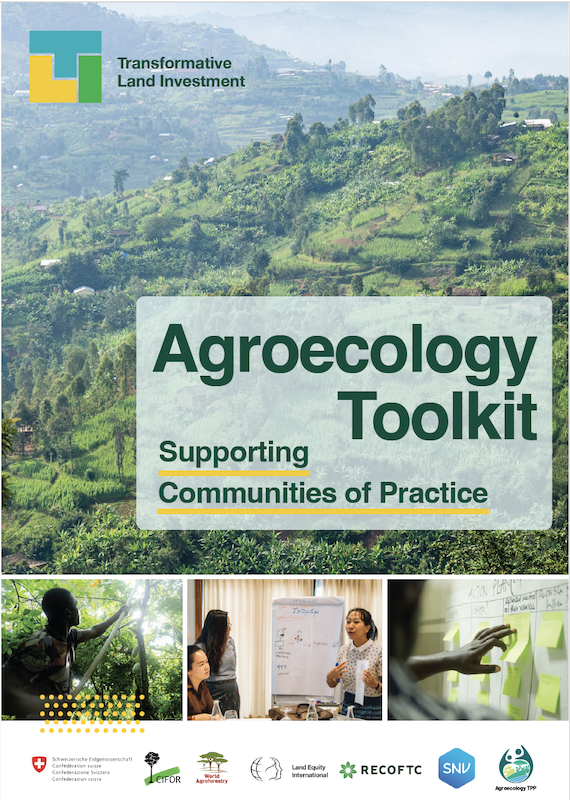
In the complex landscape of land-based investments, balancing environmental integrity with social equity and economic viability is a significant challenge. To address this, we have released the new Agroecology Toolkit, a comprehensive resource designed to support Communities of Practice (CoPs) in making land-based investments more inclusive, resilient, and sustainable.
What is agroecology?
Agroecology is far more than just a set of farming techniques; it is an integrated approach inspired by natural ecosystems. It simultaneously applies ecological and social concepts to the design and management of agrifood systems, emphasizing soil health, biodiversity, resource efficiency, and fair relationships. Internationally framed through 13 core principles, agroecology provides a shared language for diverse actors – from smallholder farmers to global financiers – to co-create value.
A tailored resource for transformation
The toolkit is organized into four distinct modules, ensuring that every stakeholder finds context-relevant guidance:
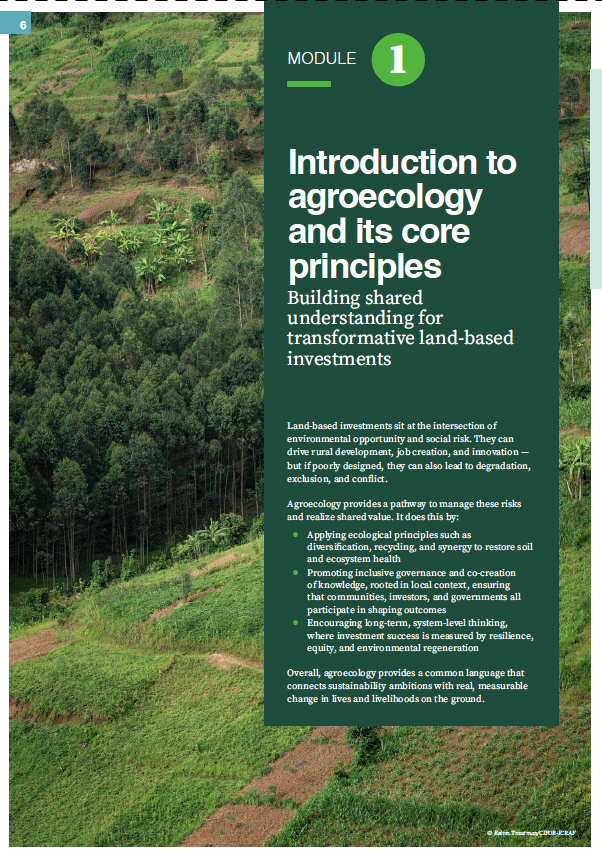
- Module 1: Introduction to Principles: This module breaks down the 13 agroecology principles into tailored sub-modules for land-based investors (LBIs) and civil society actors (NGOs).
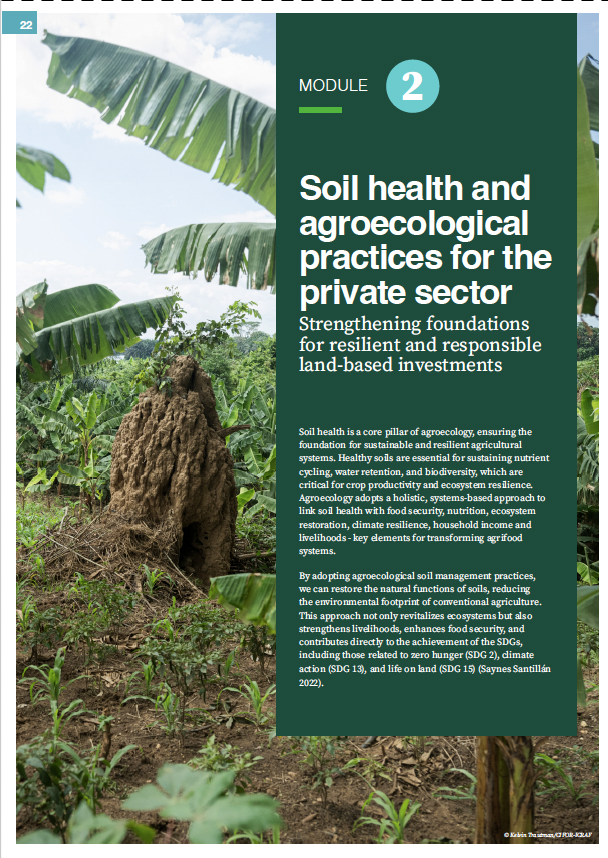
- Module 2: Soil Health for the Private Sector: Uniquely targeting the private sector, this module reframes soil health not just as a resource to manage, but as a strategic asset critical for long-term profitability and risk management.
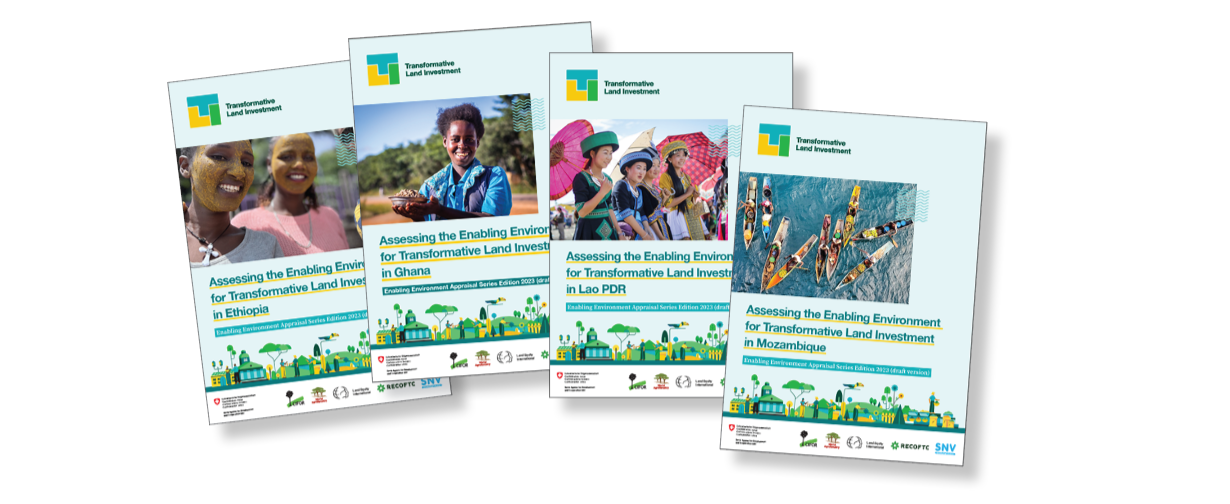
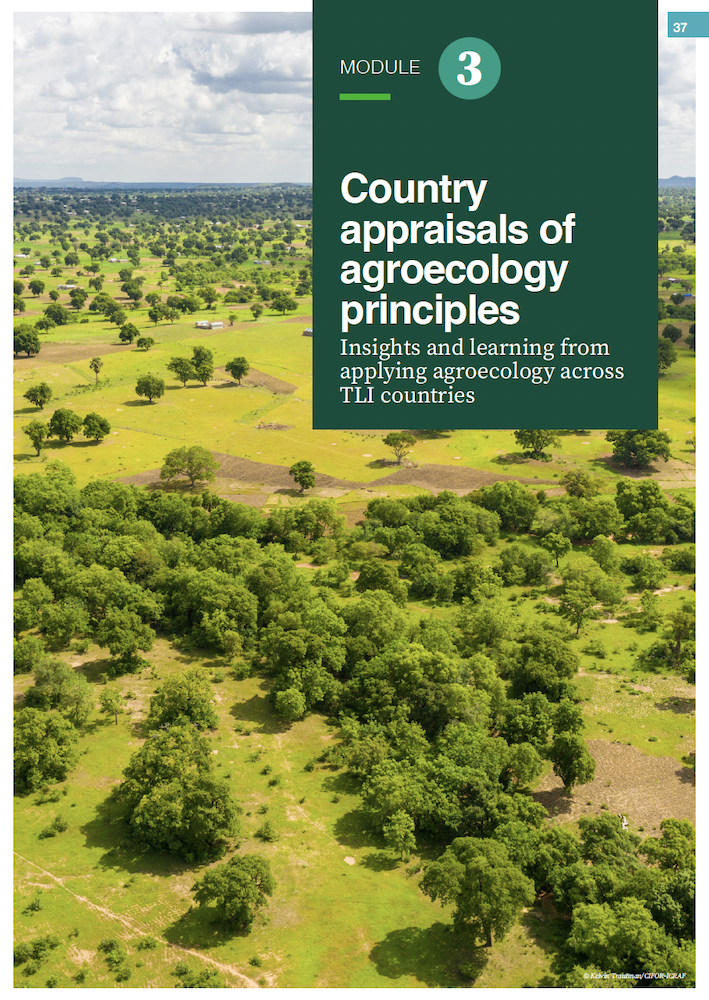
- Module 3: Country Appraisals: Drawing from real-world applications in Ethiopia, Ghana, Laos, Mozambique, and Myanmar, this section provides a baseline of how agroecological principles are currently being integrated and where the gaps remain.
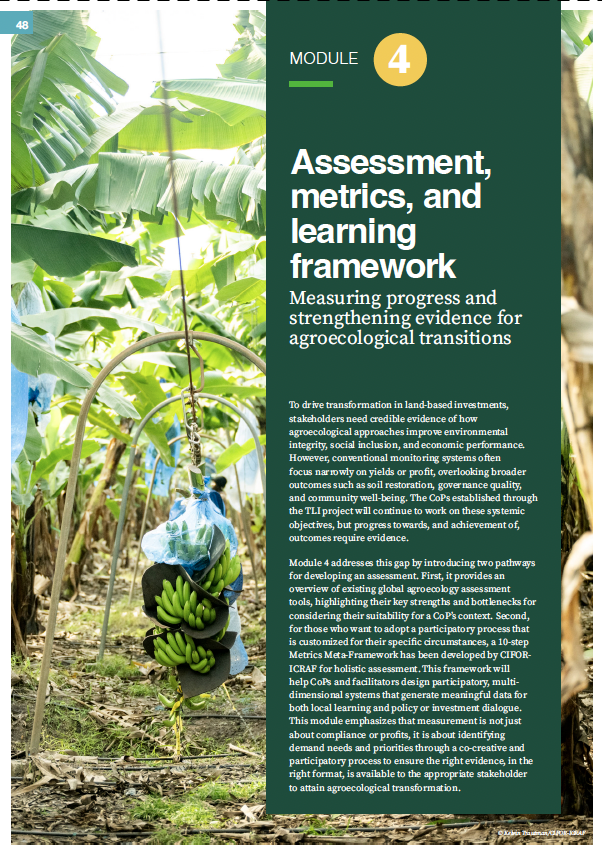
- Module 4: Assessment and Metrics: To drive transformation, stakeholders need evidence. This module introduces the Metrics Meta-Framework, a 10-step guide to designing participatory assessment systems that capture the full value of agroecology beyond mere crop yields.
Why does this matter for investors and NGOs?
For investors, adopting agroecological practices translates into lower operational costs, improved asset security, and enhanced market access as global demand for sustainable sourcing grows. For NGOs and CSOs, agroecology serves as a powerful framework for facilitation and empowerment, helping communities become active co-designers of their local land management systems.
Insights from the field
The toolkit’s country appraisals reveal that while many land-based investors have begun basic practices like waste reduction and input minimization, there is a significant opportunity to scale more advanced interventions like precision agriculture, carbon capture, and circular production. By bridging the gap between scientific evidence and local knowledge, the toolkit helps stakeholders navigate these transitions in diverse cultural and climatic contexts.
Conclusion: A pathway to a resilient future
The TLI Agroecology Toolkit is not a prescriptive manual but a flexible, action-oriented set of resources. It invites all actors in the land-based investment sector to move away from extractive models and toward regenerative ones that deliver shared environmental, social, and economic value.
By championing these principles, we can transform land investments into powerful drivers of a more equitable and sustainable global food system.